Why Legal Support Matters During Life’s Toughest Situations
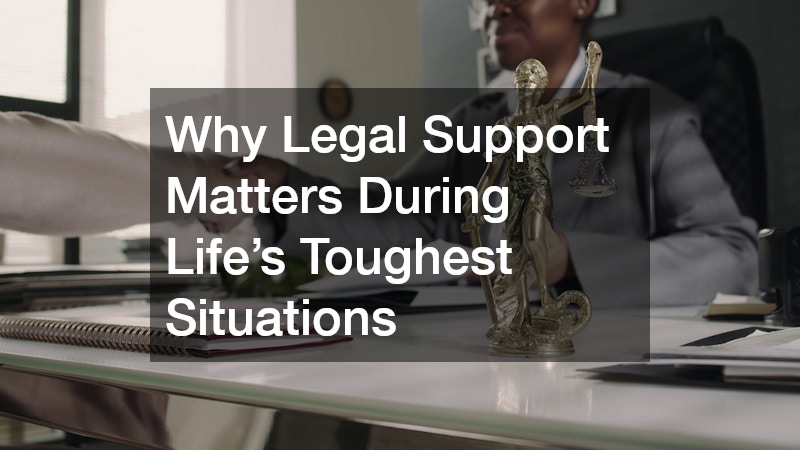
Life rarely unfolds exactly as planned. Unexpected challenges can appear suddenly, taking the form of legal disputes, serious injuries, health complications, or circumstances where loved ones need protection and guidance. In these moments, stress, fear, and uncertainty can make it nearly impossible to know what steps to take next. The weight of these challenges often feels heavier because they arrive when people are least prepared to face them alone. Having knowledgeable legal support during such times can provide more than just practical assistance—it offers clarity, confidence, and a structured path forward amid chaos. Professional guidance can help ease the burden, safeguard your rights, and create actionable steps that bring a sense of direction when life feels overwhelming.
Whether someone is facing criminal accusations, recovering from a personal injury, navigating complex healthcare issues, or seeking long-term support after a life-altering event, legal professionals serve as both advocates and navigators. They help interpret complicated systems, clarify available options, and work toward outcomes that allow individuals and families to regain stability and control. Beyond the tangible legal protections, this guidance also helps reduce the emotional strain that often accompanies uncertainty, giving people the space to focus on healing, decision-making, and moving forward. Having reliable and experienced counsel can make the difference between feeling lost and finding a path through life’s most challenging situations.
Defending Your Rights When Facing Criminal Charges
Facing criminal charges can be one of the most intimidating experiences a person can encounter. The legal system can feel confusing and unforgiving, especially for someone who has never been involved in it before. Emotions such as fear, embarrassment, and uncertainty often accompany these situations, making it harder to think clearly or make informed decisions. The pressure of possible outcomes can affect personal relationships and daily responsibilities as well.
A criminal attorney plays a vital role in protecting an individual’s rights throughout this process. From the earliest stages, legal representation helps ensure that procedures are followed properly and that the accused understands what they are facing. Without guidance, people may unknowingly say or do things that complicate their situation further. Clear explanations can help individuals feel more grounded during a stressful time.
Beyond legal strategy, support during criminal cases often brings a sense of balance during a chaotic time. Knowing that someone is focused on advocating for fair treatment can help individuals feel less alone. Legal support provides structure, helping people navigate court appearances, deadlines, and potential outcomes while working toward resolution and peace of mind. This structure can be especially valuable when emotions threaten to overwhelm rational decision-making.
Addressing Legal Challenges Involving Controlled Substances
Cases involving controlled substances carry unique challenges that can significantly affect a person’s future. These situations often involve complex regulations, varying levels of severity, and long-term consequences that extend beyond the courtroom. Without proper guidance, it can be difficult to understand what options are available or what steps to take next. The uncertainty surrounding these cases can impact employment, family life, and personal stability.
A drug offense lawyer helps individuals navigate these challenges by explaining how the law applies to their specific situation. Legal support can clarify the potential implications and help people understand how to respond appropriately. This clarity can be especially important when emotions are high and the stakes feel overwhelming. Having guidance can also reduce fear driven by misinformation or assumptions.
Support in these cases also extends beyond immediate legal concerns. Many people facing substance-related charges are dealing with broader personal struggles. Legal guidance can help align the legal process with opportunities for positive change, allowing individuals to move forward with greater understanding and stability. This alignment can encourage more thoughtful long-term decisions.
Supporting Recovery Through Structured Treatment and Care
Recovery from personal challenges often requires more than time alone. Whether someone is overcoming addiction, managing mental health concerns, or rebuilding after trauma, structured care can provide the foundation needed for lasting improvement. Rehab therapy offers a framework for healing that emphasizes consistency, accountability, and support. This structure can help individuals establish routines that promote healthier habits.
Legal situations can intersect with recovery in important ways. In some cases, individuals may need guidance on how treatment programs relate to legal obligations or court requirements. Understanding these connections helps reduce confusion and ensures that recovery efforts align with broader responsibilities. Clear communication can prevent setbacks caused by missed expectations.
Support during recovery is about more than compliance. It is about helping people regain control of their lives. When legal guidance and rehab therapy work alongside one another, individuals often feel more supported as they focus on rebuilding healthier routines and long-term well-being. This combined support can strengthen confidence during a vulnerable period.
Seeking Accountability After an Accident or Serious Harm
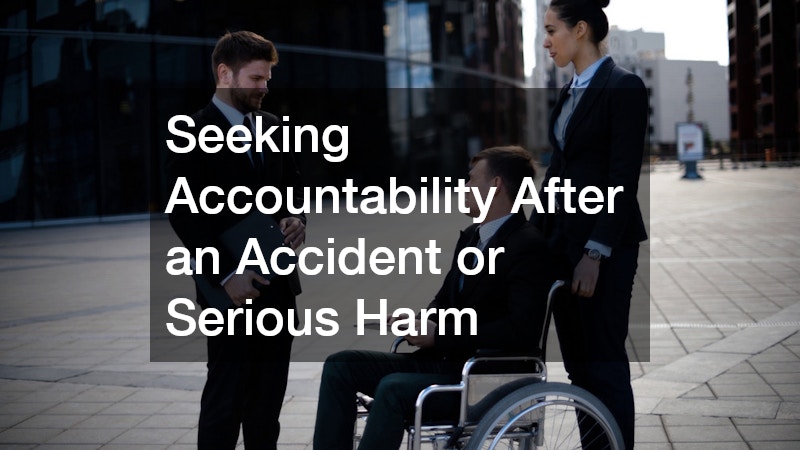
Accidents and serious injuries can disrupt every aspect of daily life. Physical pain, emotional distress, and financial uncertainty often appear all at once, leaving individuals unsure where to turn. In these moments, seeking accountability can feel daunting, especially while trying to heal. The impact can extend to family members who share the burden.
Personal injury lawyers help individuals pursue fair treatment after unexpected harm. Legal support can assist in organizing information, explaining options, and advocating for compensation that reflects the impact of the injury. This guidance allows injured individuals to focus more fully on recovery rather than paperwork and deadlines. Reduced stress can positively influence the healing process.
Accountability is not only about financial outcomes. It is also about acknowledgment and closure. Having someone advocate on behalf of an injured person can bring reassurance that their experience matters and that their voice is being heard during a difficult chapter. This reassurance can help individuals regain a sense of control.
Responding to Errors in Professional Healthcare Treatment
Healthcare is built on trust, which is why errors in treatment can be especially distressing. When medical care does not go as expected, individuals may experience confusion, frustration, and a sense of betrayal. These situations often raise difficult questions about responsibility and next steps. Emotional recovery can be just as challenging as physical recovery.
A medical malpractice attorney helps individuals understand whether a situation may warrant legal action and what that process could involve. Legal support provides clarity during an emotionally charged time, helping people explore options without feeling rushed or overwhelmed. This clarity allows individuals to make thoughtful decisions rather than reactive ones. By guiding clients through each step, attorneys help ensure that important deadlines and procedures are met, reducing the risk of additional complications.
Addressing healthcare errors is not only about seeking a resolution for one individual. It can also provide a sense of accountability within the broader system. Legal guidance empowers people to take informed steps while prioritizing their health and emotional recovery. Feeling supported can ease the stress of revisiting painful experiences.
Rebuilding Strength and Mobility After Physical Injury
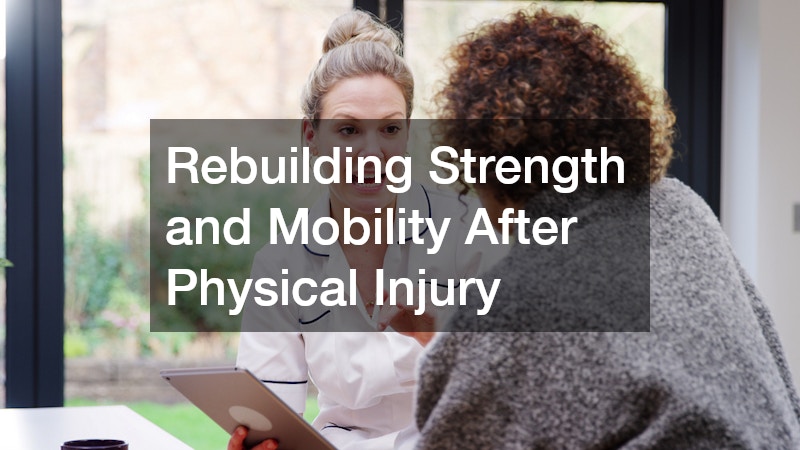
Physical injuries often require long-term commitment to healing. Regaining strength, mobility, and confidence takes patience and structured care. Physical therapy rehab services support this process by focusing on gradual progress and personalized treatment plans. Small improvements can help restore hope and motivation.
Legal considerations may arise alongside physical recovery, particularly when injuries result from accidents or workplace incidents. Understanding how rehabilitation fits into broader claims or benefits can reduce stress and prevent misunderstandings. Legal guidance helps individuals align their recovery journey with necessary documentation and timelines. This alignment can prevent delays that disrupt care.
Recovery is rarely linear, and setbacks can happen. Having support systems in place, both medical and legal, allows individuals to focus on healing while knowing that practical matters are being addressed thoughtfully and responsibly. This reassurance can improve overall well-being during recovery.
Accessing Assistance for Long-Term Limitations
Living with long-term physical or mental limitations can change how a person interacts with work, family, and daily life. Accessing appropriate support often requires navigating applications, evaluations, and ongoing requirements that can feel overwhelming. These processes can be exhausting without proper guidance.
Disability service programs are designed to provide assistance, but understanding eligibility and expectations can be challenging without guidance. Legal support helps individuals interpret requirements and gather necessary information while advocating for fair consideration. Clear explanations can make complex systems feel more manageable.
Support in these situations is about preserving dignity and independence. With the right guidance, individuals can better access resources that allow them to maintain stability and focus on adapting to their circumstances with confidence. This support can ease feelings of isolation.
Understanding Legal Protections After an Injury Occurs
Injuries often come with questions about rights and responsibilities. Many people are unsure what protections exist or how to pursue them, especially when they are focused on immediate recovery. Injury law provides a framework for understanding how responsibility and compensation are addressed. Knowing this framework can reduce fear of the unknown.
Legal support helps translate complex rules into understandable terms. By explaining timelines, documentation needs, and potential outcomes, guidance reduces uncertainty and helps individuals make informed decisions about their next steps. Clear communication can prevent missed opportunities.
When people know their options, they’re better equipped to advocate for themselves and move forward with clarity, even during challenging recovery periods. This knowledge can restore a sense of confidence.

Securing Fair Treatment Following a Workplace Accident
Workplace accidents can affect more than just physical health. They may disrupt income, job security, and long-term career plans. Navigating benefits and employer processes while injured can add unnecessary stress to an already difficult situation. These pressures can slow recovery if left unaddressed.
Workers’ comp lawyers assist individuals in understanding how workplace injury systems function and what support may be available. Legal guidance helps ensure that claims are handled properly and that individuals are not left navigating complex procedures alone. This guidance can prevent misunderstandings with employers or insurers.
Fair treatment following a workplace accident allows people to focus on healing rather than disputes. With support, employees can pursue recovery with greater confidence, knowing their rights are being respected throughout the process. Feeling protected can ease anxiety during uncertain times. Ultimately, having legal support helps restore a sense of control and stability during a period that can feel unpredictable and overwhelming.
Protecting Young Individuals During the Legal Process
When young individuals become involved in the legal system, the experience can be confusing and frightening for both them and their families. Youth may not fully understand the consequences of their actions or the procedures they face, making proper guidance especially important. Families often struggle with how to provide the right support.
A juvenile defense lawyer focuses on protecting the rights and well-being of young people throughout legal proceedings. Legal support in these cases often emphasizes education, fairness, and opportunities for growth rather than purely punitive outcomes. This approach can help reduce long-term negative impacts.
Protecting young individuals is about more than resolving a single case. It is about helping them move forward with lessons learned and support systems in place. With guidance, families can navigate these situations more thoughtfully and work toward positive long-term outcomes. Early support can influence healthier future choices.
Life’s toughest situations often arrive without warning, leaving people feeling unprepared and uncertain about what lies ahead. Legal support provides structure during these moments, helping individuals understand their options and take meaningful steps forward. Whether addressing criminal charges, recovering from injury, or supporting a loved one through a difficult process, guidance can make a significant difference. That structure can be a steady presence during emotional upheaval. It offers reassurance that no one has to face complex challenges alone and that practical solutions are available even in the most overwhelming circumstances.
When we face challenges head-on with the right support, we create space for healing, accountability, and growth. Legal professionals help bridge the gap between confusion and clarity, allowing individuals and families to regain stability during uncertain times. By seeking guidance when it matters most, we give ourselves the opportunity to move forward with greater confidence and a renewed sense of control. This confidence can shape how future challenges are approached. Embracing support not only addresses immediate concerns but also equips us with knowledge and resilience for life’s unforeseen obstacles, turning moments of crisis into opportunities for strength and empowerment.